Discovering novel herbicides superweeds can't resist.
An AI platform that designs new herbicide modes of action for the resistant weeds breaking modern agriculture.
Superweeds are outrunning the chemistry meant to control them. Resistance is spreading across the world's biggest cash crops, and the herbicides farmers depend on are losing the war.
Pigweed, ragweed and other monsters have begun to outsmart the advanced technologies that protect the biggest U.S. cash crops.
Herbicides are losing the war — and agriculture might never be the same again.
Resistance keeps evolving — superweeds now shrug off another whole class of herbicides.
As the climate changes, genetic engineering may be essential for growth — but is it creating a race of superweeds?
Introducing Phylox — we point AI at a fresh herbicide target and surface molecules superweeds have never seen.
Point the AI at the GLR3.4 binding pocket — a new, unexploited herbicide target class.
Predict and shortlist novel molecules that bind, screening billions of candidates in silico.
Confirm the top hits in the lab, then license winning chemistry to major agriculture companies.
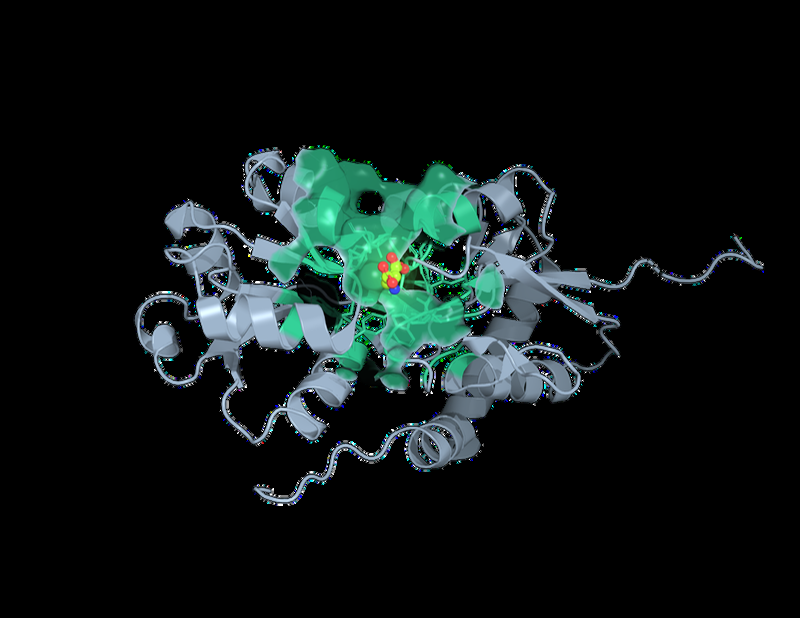
Weed control is a ~$40B global market. Roughly $10B of it is failing as weeds outrun existing chemistry — and no new herbicide mode of action has reached the market in 30+ years. Phylox uses AI to discover the next one.

Independent science researcher targeting TRP pain-receptor channels. 1st place, IFT Nutmeg Section & PepsiCo Engineering Awards. 1st at HackPrinceton. Researcher at Brown.

3× Regeneron ISEF Grand Award winner. 1st at JSHS '25, National STEM Champion '26, 1st in Applied Technology. Researcher at Yale.

IEEE-published AI/ML researcher (youngest author). 3M Young Scientist & GENIUS Olympiad 1st-place gold, Science. 3rd at JSHS '25.
A pre-seed round to take Phylox from validated targets to confirmed, licensable hits. Capital goes straight into the science.